Architecture
How it runs
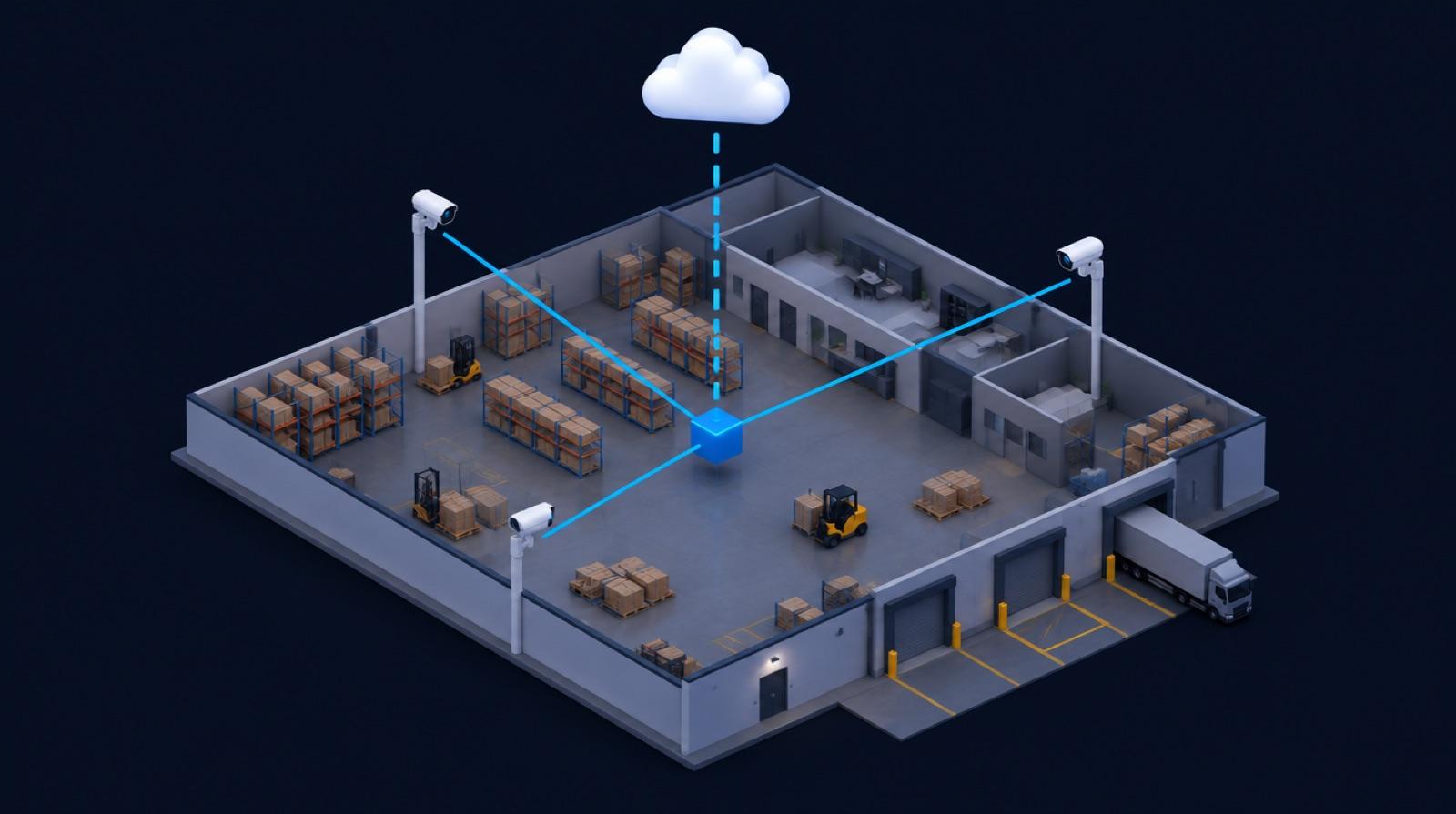
Most of the work happens next to the camera. The cloud is used when a question needs it, and we say when that is.
On the camera or the box
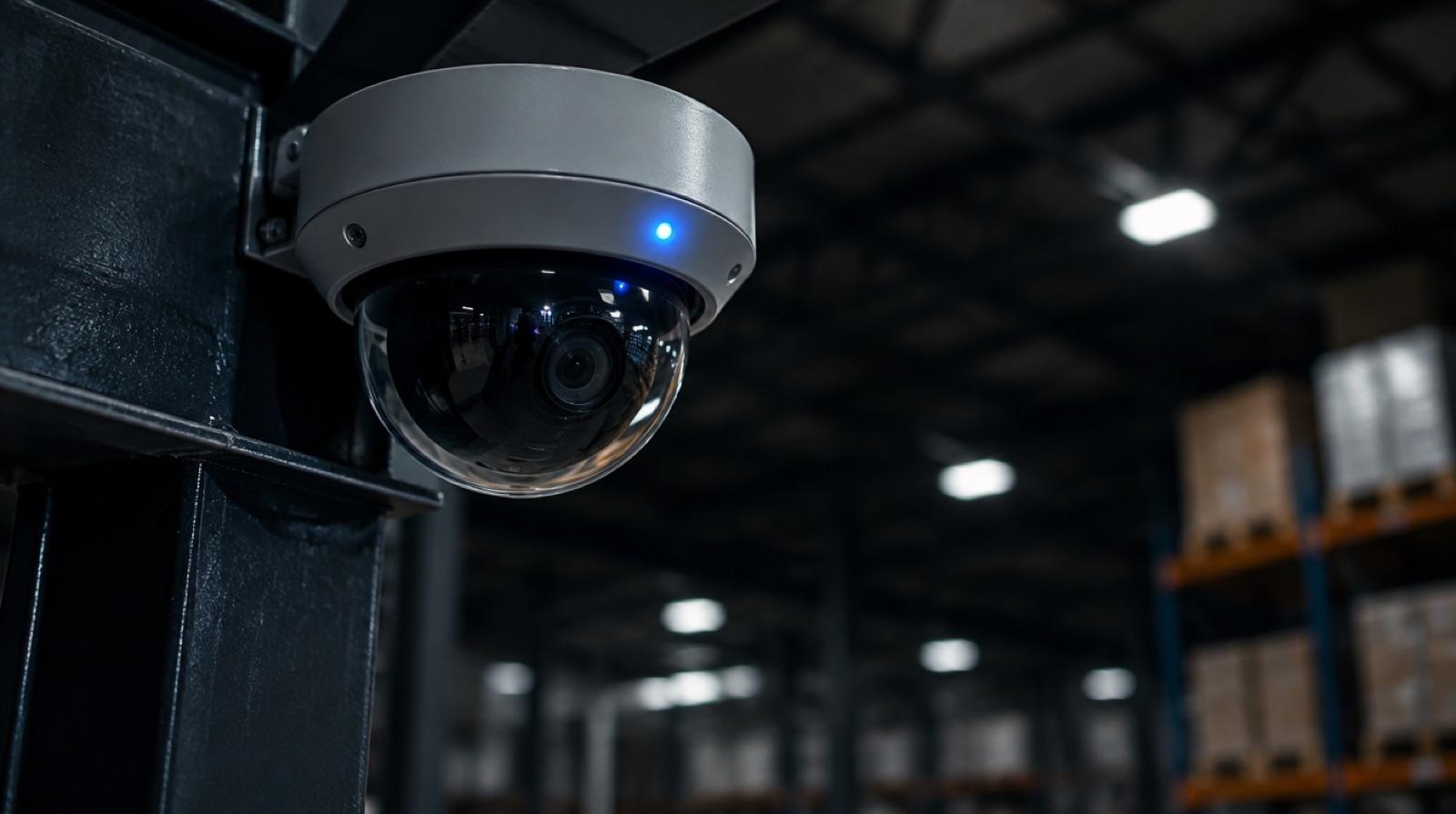
Detection runs on a small box on your network, or on the camera itself where the camera has a usable chip. The box decodes the streams, runs the detection models, and keeps a rolling buffer of footage.
Nothing needs a data-centre GPU. If a site outgrows one box, add a second box, not a bigger server.
What leaves the site, and when
Events leave the site: a timestamp, the camera, the detection type, and a short clip or still. Continuous video does not leave the site unless you turn that on.
Ask VISILENS runs in the cloud. It receives the event record and the clip you are asking about, not the whole day.
Reports are built in the cloud from event records. They can be exported and deleted.
Bandwidth and storage
A typical event upload is a short clip and a record, not a stream. A site producing a few hundred events a day uses less upstream bandwidth than one person on a video call.
Rolling local storage is sized to the box. Cloud retention of events and clips is a setting, with a default we publish.
Privacy and retention
Faces are not identified unless you enable it and your jurisdiction allows it. Person detection is not person identification.
Retention defaults, deletion on request, and where data is stored are written in the privacy policy in plain language.
When it fails
If the network drops, the box keeps detecting and queues events. When the link returns, events sync in order.
If a camera stops streaming, you get an alert for the camera, not silence.
If the box loses power, it restarts into the same state. There is no cloud dependency for detection.
Supported inputs
CCTV and IP cameras over ONVIF and RTSP
NVR and VMS exports and live streams
Dashcam and body-cam clips
Phone uploads of photos and short videos
Recorded video for backfill
Audio from control rooms and radios, where a site enables it
The list of tested camera and recorder brands lives in Docs and grows as we test them. We do not claim compatibility we have not tested.
Point it at the cameras already on the wall.
No proprietary camera to buy first, and no rip-and-replace. If it streams, we can look at it.